
We Were Built for This Moment.
The Eudaimonia Center is a physician-led, integrative reproductive medicine and women's health practice rooted in the conviction that healing is not a destination... it is a practiced way of being.
Every woman deserves the care, the time, and the team necessary to tend her garden...
until she can tend it for herself.
The Story Behind the Center
THE CLINICAL FRUSTRATION
Dr. White spent years practicing conventional medicine at the highest level of clinical training and for years, she watched the same failures repeat themselves inside the exam room.
Patients arrived with complex, layered health concerns and were given about 15 minutes to discuss them. They were offered a single option, not a menu of informed choices. Their medication lists went unreviewed. The honest conversation about doing nothing was never had. When lab work came back “normal” while something was clearly and unmistakably wrong, especially in hormone panels, women were often sent home with no answers and nowhere else to go.
Birth control was prescribed for everything irregular menstruation to acne. Hormone replacement therapy anchored the other end of the lifecycle. The system was managing symptoms. Healing was never a part of the conversation.
“Patients didn’t have enough information to make informed decisions. And I never had sufficient time, and in most cases, the framework to give it to them. I was taught that patients deserve to know the pros, the cons, the benefits, and the alternatives. Most weren’t getting all of that. They were getting one option and a closed door.”
THE TURNING POINT
The turning point didn’t come in a clinic. It came by route of living and working in Cuba for nearly eight years.
It was there, far from the insurance constraints and 15-minute appointments of the healthcare system in the United States, that she received her first acupuncture treatment. Something shifted. Not just clinically, but also philosophically. She saw what health could look and feel like when it addressed underlying root causes instead of surface symptoms. When it treated the whole person across all eight dimensions of health and well-being. When it had the time and the tools to actually do the work of healing.
“I knew then that I could apply traditional healing modalities to women’s health in a way that conventional medicine could not and would not. I could address the healing and the vitality components of health, not only the superficial ‘health’ component.”
She had grown complacent. Settling for the status quo was affecting her vocational well-being, her sense of purpose, her satisfaction, and her belief that her work meant something. She knew she could do better by her patients. She knew that doing better for herself would translate directly into better outcomes for her patients. She knew that the only way to build what she envisioned was to design it herself.
THE PERSONAL RECKONING
There was one more layer, the one that made it personal in a way that no amount of clinical frustration could.
As a Black woman, Dr. White knew firsthand what it felt like to sit in an exam room and not be believed. To be dismissed. To be “cleverly redirected” away from something she knew was possible. To have follow-up questions rushed past. To watch the entire tone and tenor of a medical appointment change the moment she mentioned her own credentials.
“If I was being treated that way, I knew that women without the same level of agency were being treated worse. Far worse.”
It was always the vision to see, hear, and value every patient. But it was her own lived experience, layered on top of years of clinical observation, that grounded that vision in something unshakeable: The Womanist Ethic of Care.
The Eudaimonia Center opened in 2018. It was built from that conviction and it has never waivered from it.
The Framework That Grounds Everything
THE WOMANIST ETHIC OF CARE
The Eudaimonia Center is grounded in the Womanist Ethic of Care, rooted in Alice Walker’s philosophy of the survival and wholeness of entire people. It is not simply a values statement. It is the operating framework for every clinical decision, every patient interaction, and every service we offer.
To practice under the Womanist Ethic of Care means to recognize that a person’s health, in our case a woman’s health, cannot be separated from her history, her culture, her community, or her spirit. It means that care which ignores intersectionality is incomplete care. It means that Black women’s pain is real, their instincts are valid, and their healing deserves the same depth of attention as any one else’s… without requiring them to prove it.
THE 8 DIMENSIONS OF HEALTH & WELL-BEING
At The Eudaimonia Center, we approach every patient through the lens of all eight dimensions of health and well-being because your health is not one-dimensional. It is the sum of everything you are and all that you carry with you.
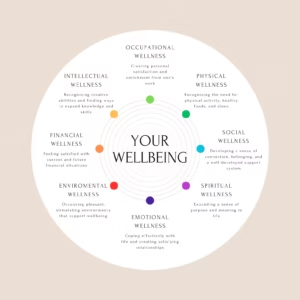
No dimension is treated in isolation. All eight are in the room.
What Care Looks Like Here
Care at The Eudaimonia Center is not episodic. It is not transactional. It does not begin and end with a chief complaint.
Every service, every provider, and every interaction is designed to address the root cause of what you are experiencing, not to manage it indefinitely. We combine the clinical rigor of conventional medicine with the restorative intelligence of traditional and integrative healing modalities. We give you time. We give you options. We give you a team that communicates with each other and with you… collaboratively.
This is what we mean when we say from survival to “thrival“. Not the absence of illness. Not the management of symptoms. The full, active flourishing of your health, your identity, and your life.
Your Care Team
You won’t see one provider and leave. You have access to an entire integrative care team at your disposal each one an expert in their modality, all working together in service of your whole health.
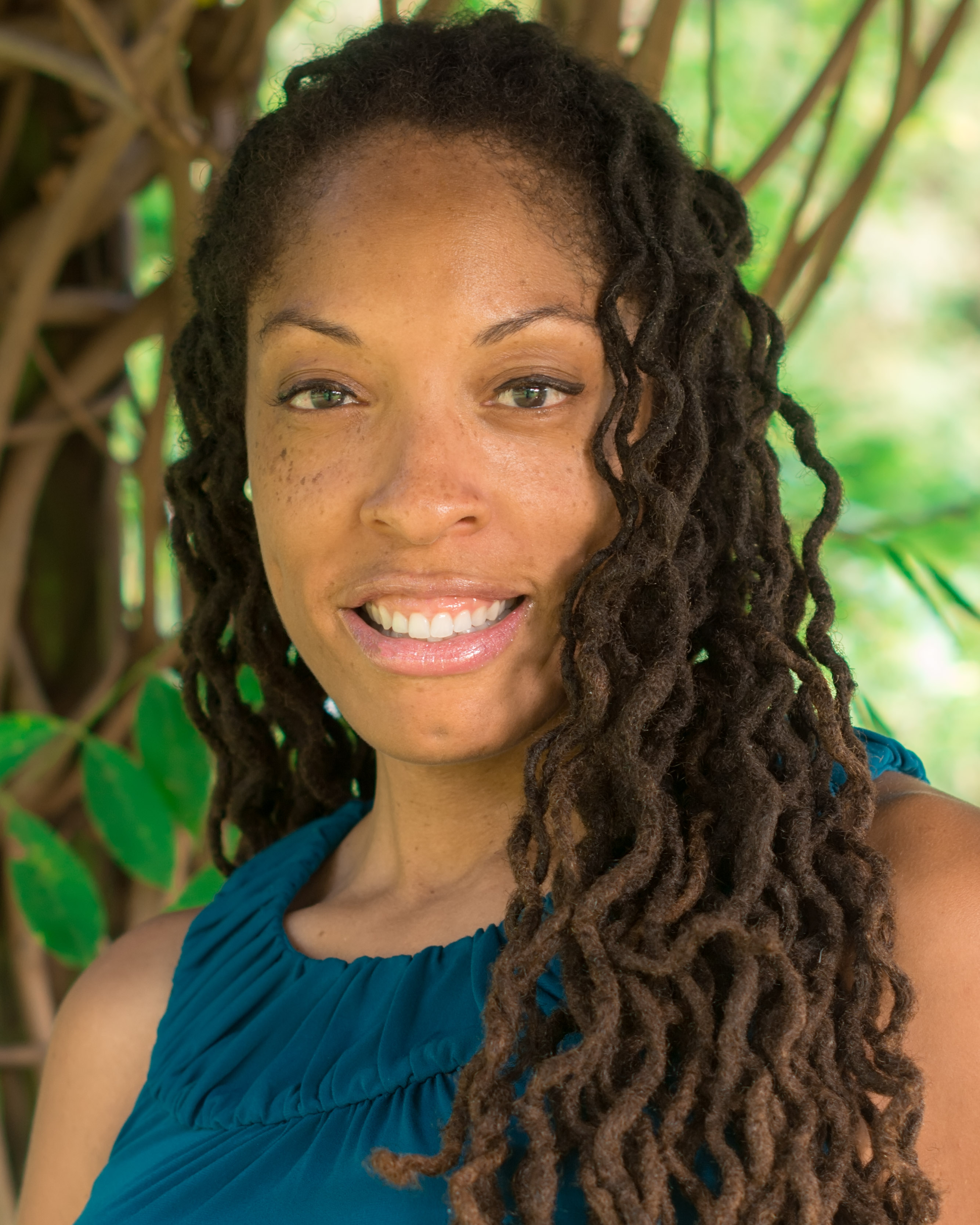
Laurena White, MD, MPH, DiplAc
Dr. White founded The Eudaimonia Center in 2018 after nearly two decades of practicing conventional medicine and witnessing firsthand the gaps that this model of care could not and would not fill. An obstetrician/gynecologist with additional licensure in acupuncture and clinical herbalism, Dr. White brings the full breadth of conventional and traditional medicine to every patient she serves. She is also the creator of The Eudaimonia Method, The Center’s signature 7-week, integrative, wellness program. Her approach is grounded in the Womanist Ethic of Care and shaped by her own lived experience as a Black woman navigating the healthcare system in the United States.
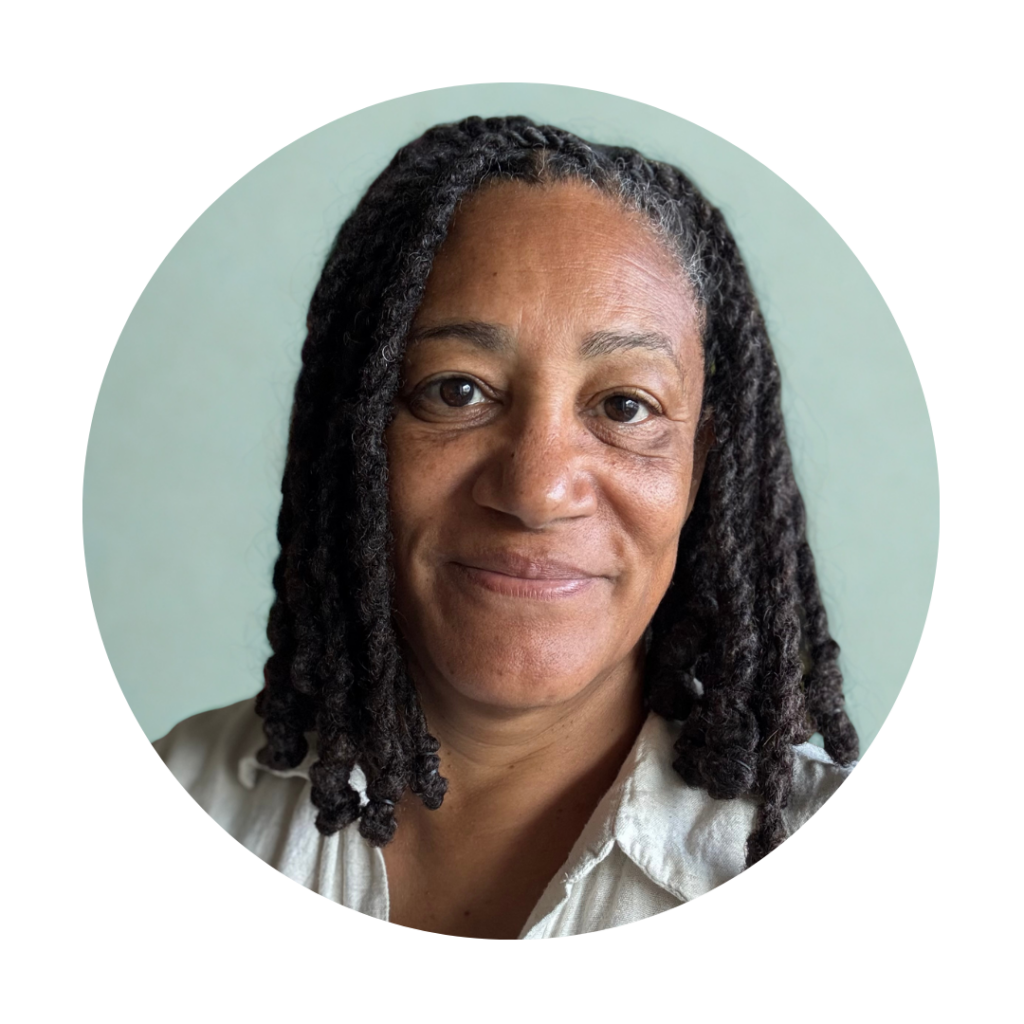
Yvette Campbell, MS, MA, NBC-HWC

Oriyomi Ekundayo Oshundare, RMT
Tracie Robinson, PhD, MA, BC-DMT
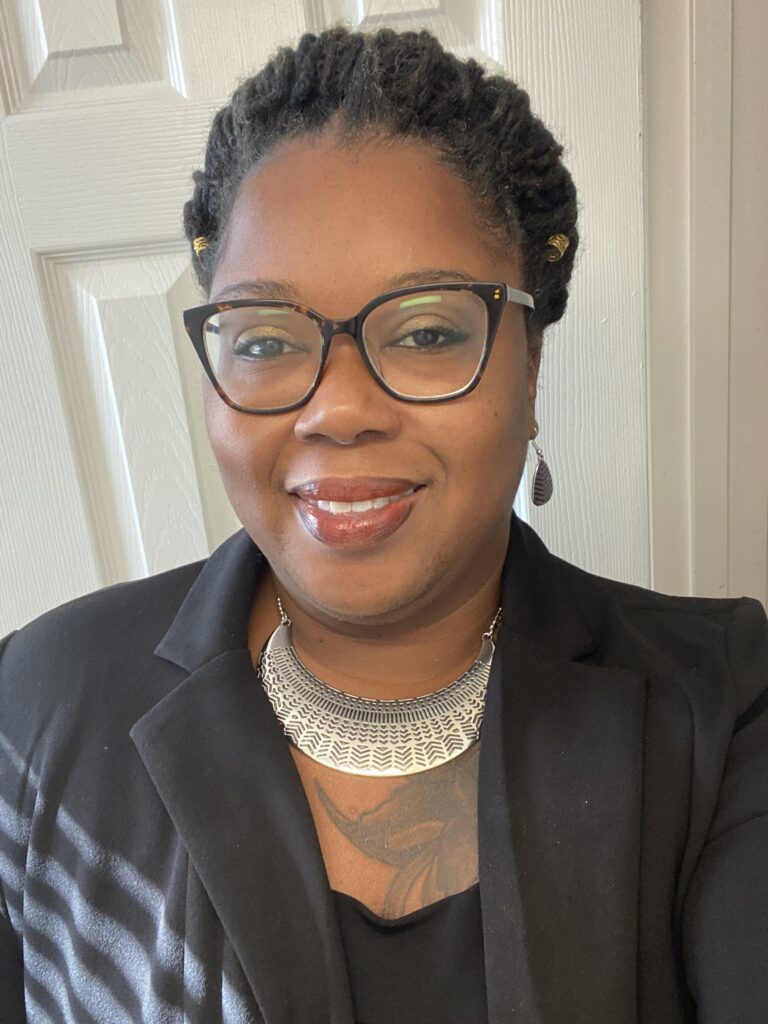
Chef Love, CFSM
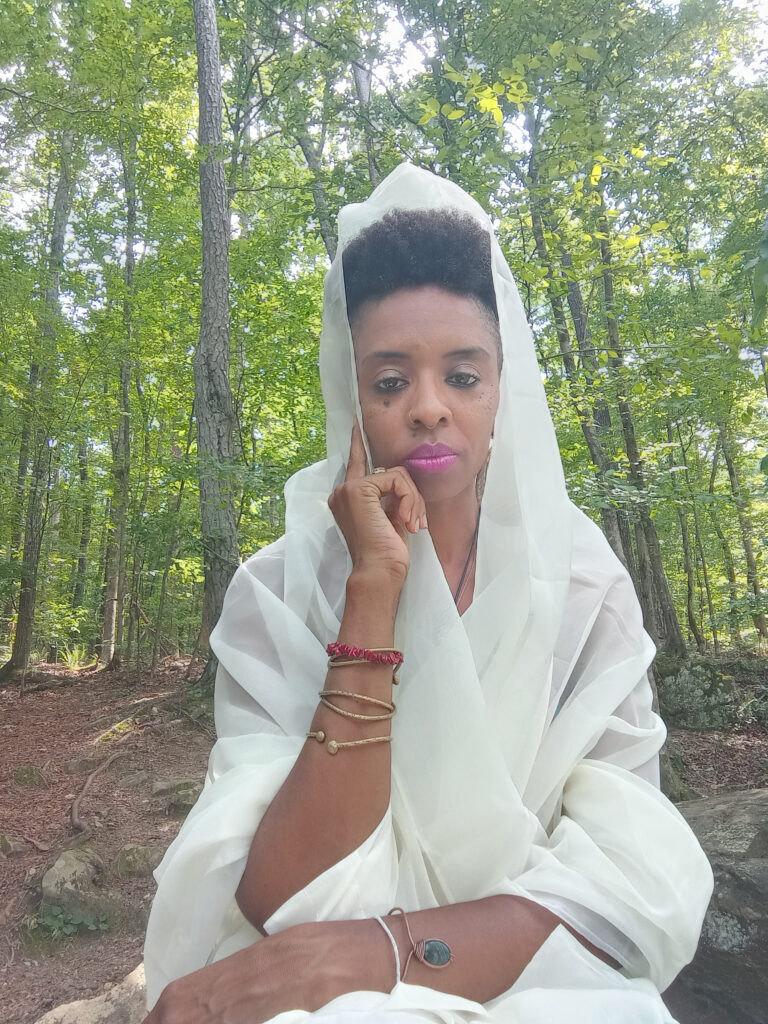
Narobi Mkwalu
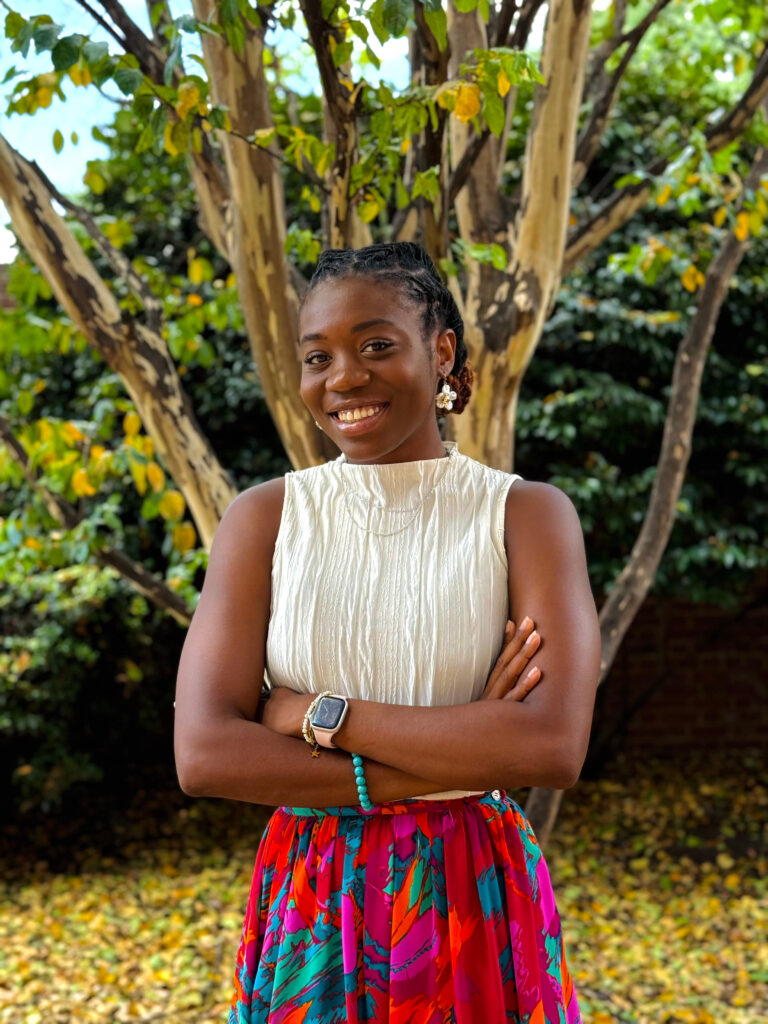
Jenée Edgerton, PsyD